BANGLI — Internationally recognized research does not have to remain confined to laboratories. This belief was put into practice by A.A. Dewi Megawati, S.Si., M.Biomed., Ph.D., an Indonesian scientist and recipient of the L’Oréal–UNESCO For Women in Science 2025 research grant, who brought science-based disease prevention directly to the community in Bangli, Bali.

A.A. Dewi Megawati, S.Si., M.Biomed., Ph.D.
Through the Faculty of Medicine and Health Sciences (FKIK) of Warmadewa University, Dewi Megawati led a community service program (Pengabdian kepada Masyarakat/PkM) on the prevention of mosquito-borne diseases at Puri Dencarik, Bangli, on Saturday (15/11/2025). The initiative responded to the persistent burden of dengue fever, chikungunya, and the looming risk of other arboviral diseases at the community level.
The program engaged ten members of the local PKK women’s group as key partners, focusing on strengthening household-based environmental prevention practices. Activities included a pretest, team introduction, interactive health education sessions, and hands-on demonstrations of mosquito vector control, all delivered in a practical and accessible manner to encourage daily application.

During the session, Dewi Megawati provided a scientific explanation of arboviral diseases such as dengue, chikungunya, and Japanese encephalitis. She emphasized that these illnesses are not transmitted directly between humans, but through mosquitoes acting as vectors.
“Aedes aegypti, Aedes albopictus, and Culex mosquitoes have a very rapid life cycle of around nine to ten days. Even a small amount of standing water is enough for them to breed, ” she explained to participants.

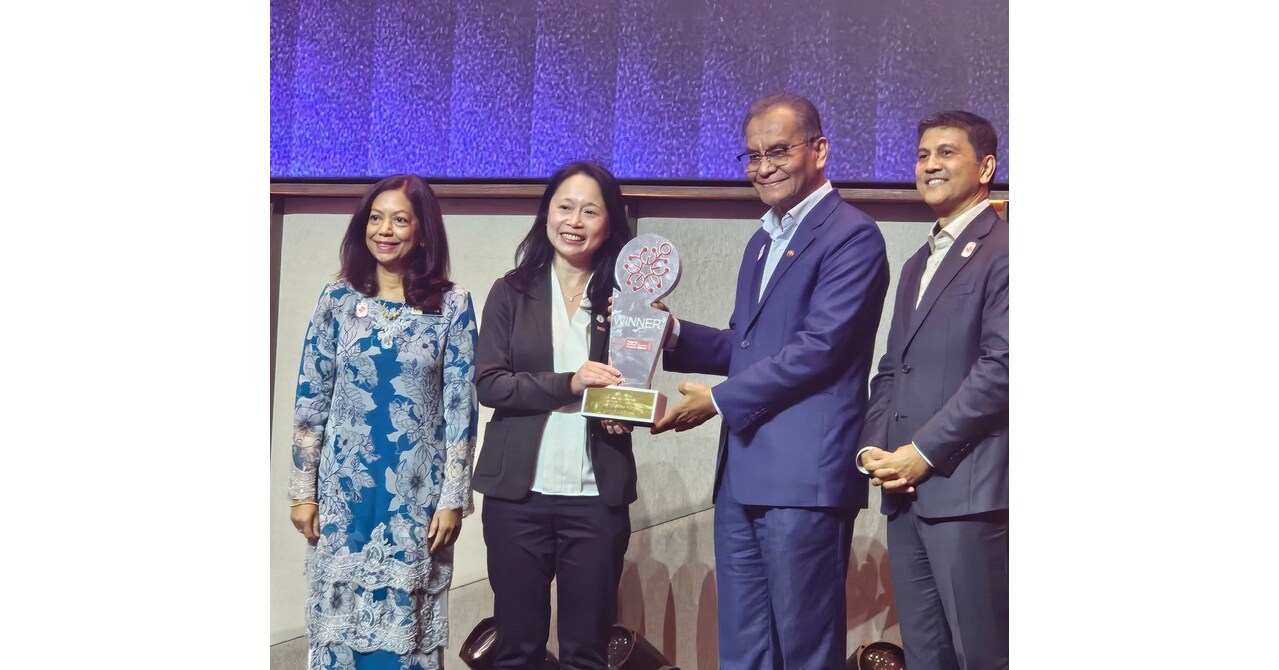
The science-based education shared with residents reflects Dewi Megawati’s broader role on the global research stage. On Tuesday (11/11/2025), she was named one of four Indonesian women scientists awarded the L’Oréal–UNESCO For Women in Science 2025 research funding at the Ministry of Higher Education, Science, and Technology in Jakarta.
She is currently leading a study titled “Broad-Spectrum Antiviral mRNA Therapy for Mosquito-Borne Diseases.” The research focuses on developing mRNA-based therapies designed to target multiple tropical viruses, including dengue.
“The goal is to create a broad-spectrum antiviral mRNA therapy that is not limited to a single virus, but can work against several viruses at once, ” she said. Conducted in collaboration with the University of California, Davis, the research is considered to hold strong potential as a breakthrough in infectious disease control, particularly for endemic countries such as Indonesia.

Meanwhile, another FKIK Warmadewa University lecturer, dr. Ni Wayan Widhidewi, M.Biomed, stressed that community-level prevention remains the cornerstone of controlling mosquito-borne diseases.
She highlighted the importance of implementing the 3M Plus strategy—draining, covering, and recycling water containers—along with additional measures such as using bed nets, electric mosquito rackets, and cultivating mosquito-repellent plants.
“Relying solely on chemical insecticides is not enough and may lead to mosquito resistance. Biological approaches and changes in community behavior are far more decisive, ” she noted.

During the event, the FKIK team demonstrated the use of electric mosquito rackets and distributed educational aids to participants. PKK members were also introduced to various mosquito-repellent plants, including citronella, lavender, zodia, rosemary, marigold, and basil, which can be easily grown in home environments.
The Head of the PKK group at Puri Dencarik expressed appreciation for the program, saying the outreach not only increased knowledge but also strengthened awareness of the vital role families—especially women—play in maintaining environmental and public health.

By bridging world-class scientific research with direct community engagement, FKIK Warmadewa University reaffirmed its commitment to strengthening promotive and preventive efforts against mosquito-borne diseases, while contributing to science-based solutions for global health challenges.
Editor: Ray